


Exploring the cultural impact of casinos on modern society
Historical Evolution of Casinos
The history of casinos is rich and varied, tracing back to ancient civilizations where games of chance were often associated with religious rituals or social gatherings. Over time, the concept evolved, with the establishment of formal gaming houses in cities like Venice during the Renaissance. These venues not only served as places for gambling but also became centers of social interaction, where the elite mingled and shared ideas, establishing a cultural fabric that intertwined gaming with social status. To enhance your gaming experience, look into effective Hellcase codes that can provide benefits along your journey.
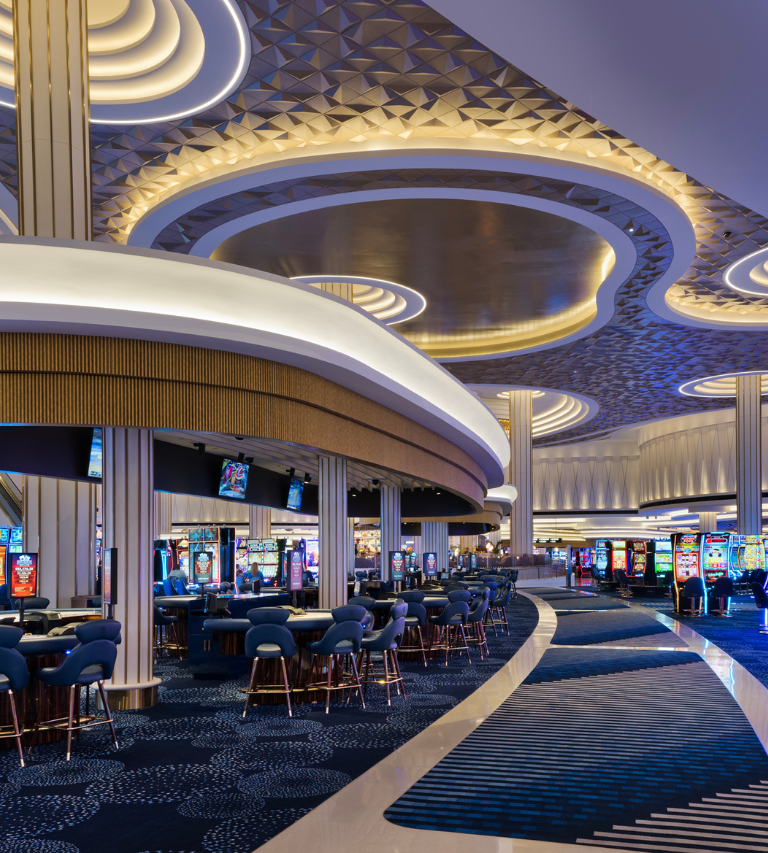
As societies evolved, so did the architecture and ambiance of casinos. The lavish designs of casinos from the 19th century symbolized wealth and opulence, attracting affluent patrons. The establishment of Las Vegas as a gambling mecca in the mid-20th century marked a significant shift in the cultural perception of casinos, transforming them into entertainment hubs that catered to a broader audience, thereby changing the social landscape significantly.
The evolution of casinos has also mirrored societal attitudes towards risk and reward. In the early days, gambling was often frowned upon, associated with moral decadence. However, as cultural attitudes shifted, casinos began to be viewed as legitimate forms of entertainment. This shift reflects a growing acceptance of risk-taking in various aspects of modern life, from financial investments to personal relationships, demonstrating how deeply integrated casinos have become in contemporary culture.
Social Interaction and Community Building
Casinos serve as vibrant social venues where diverse groups converge, facilitating interaction among individuals from various backgrounds. The experience of gambling often fosters camaraderie among players, who share in both victories and defeats. This social dynamic can lead to the creation of friendships, communities, and even social networks that extend beyond the casino walls, enriching local cultures and providing a sense of belonging.
Moreover, many casinos host events, shows, and entertainment options that attract non-gamblers, further broadening their appeal as community centers. By offering a range of activities such as concerts, dining, and nightlife, casinos have transformed into multifaceted entertainment complexes. This diversification has helped normalize the presence of casinos in society, making them more than just places for gambling but cultural hubs that contribute to local economies.
The impact of casinos on social structures can be profound. They often become gathering places for celebrations, such as birthdays or anniversaries, where families and friends come together to enjoy shared experiences. This communal aspect enhances the emotional and social fabric of communities, showcasing how casinos can foster connections and create lasting memories among their patrons.
The Economic Influence of Casinos
Casinos have a significant impact on local and national economies. They generate substantial revenue through taxes and create thousands of jobs, from gaming staff to hospitality positions. This economic contribution can lead to the development of surrounding areas, enhancing infrastructure and boosting local businesses that cater to the influx of visitors. The financial benefits extend beyond immediate employment, contributing to broader community funding initiatives, such as education and public services.
Furthermore, the tourism industry is heavily influenced by the presence of casinos, attracting millions of visitors each year. Cities known for their casinos, like Las Vegas and Atlantic City, have built entire tourism models around gambling. This influx of tourists not only supports the gaming industry but also stimulates other sectors, such as travel, retail, and entertainment, demonstrating the interconnected nature of economic growth and casino culture.
The economic influence of casinos is often debated, particularly concerning the social costs of gambling. While they undoubtedly contribute to financial growth, there are concerns about gambling addiction and its impact on community welfare. Balancing the economic benefits with responsible gambling initiatives is crucial for ensuring that the cultural and economic contributions of casinos enhance rather than detract from societal well-being.
Casinos and Technology
In recent years, technological advancements have transformed the casino landscape. Online gambling platforms have emerged, offering players the convenience of gaming from the comfort of their homes. This shift has not only expanded the reach of gambling but also changed the way people interact with casinos, making it a more accessible and integrated part of everyday life. The rise of mobile gaming applications further reflects the blending of technology with traditional gambling practices, catering to the modern consumer’s desire for immediacy and ease.
Additionally, casinos are now leveraging technology for operational improvements and customer engagement. Innovations such as facial recognition software and data analytics are being utilized to enhance security and personalize the gaming experience. These advancements contribute to a more streamlined and enjoyable atmosphere, encouraging repeat patronage and enhancing the overall appeal of casinos.
The integration of technology in casinos also sparks discussions about the future of gaming. As virtual reality and artificial intelligence become more prevalent, the experience of gambling is set to evolve further, pushing the boundaries of how culture perceives and engages with casinos. This ongoing technological evolution signifies a cultural shift, where casinos must adapt to meet the changing expectations of a tech-savvy society.

Conclusion and Cultural Reflection
Casinos encapsulate a complex interplay of cultural, social, and economic elements that significantly impact modern society. They serve as venues for social interaction, economic development, and technological innovation, illustrating how gambling has transitioned from a stigmatized activity to a normalized aspect of contemporary life. This transformation reflects broader societal changes, where risk-taking, entertainment, and community interaction are highly valued.
As society continues to evolve, the role of casinos may adapt further, possibly leading to more integrated experiences that blend gaming with other forms of entertainment and leisure. This ongoing cultural dialogue highlights the importance of understanding the multifaceted impact of casinos on society, providing insights into our collective values and behaviors.
The website dedicated to promoting awareness of casino culture plays a crucial role in educating both seasoned gamers and newcomers. By offering insights into responsible gaming, the economic impact of casinos, and the latest technological advancements, this platform serves as a valuable resource for anyone looking to navigate the complex world of gambling. Through its commitment to enhancing the gaming experience, the website contributes significantly to fostering a well-informed community that appreciates the cultural significance of casinos.